
IDENTITY GUIDE
QR Warranty Registration vs Coverage: Design the Flow Correctly
A QR code is an entry point—not the warranty itself. The right design identifies the product, protects order data, verifies the buyer, prevents token reuse where appropriate, and preserves the coverage dates created by the sale.
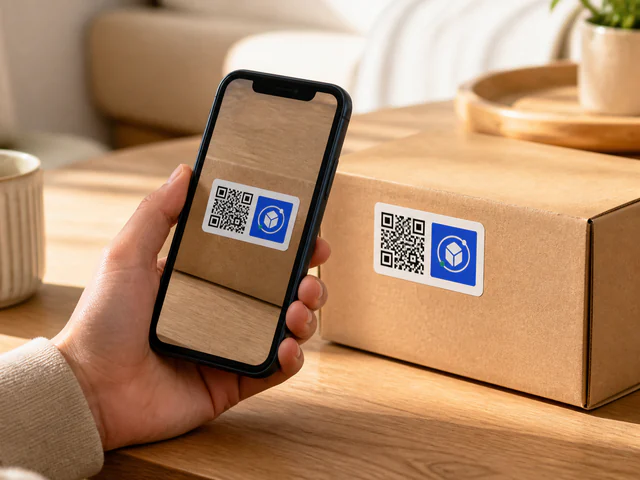
Choose the QR mode for the operational job, then verify ownership without making the buyer’s legitimate coverage depend on scanning.
Choose one of three QR modes
- Product-level QROne code for a SKU
Identifies the product model. The buyer still verifies purchase, serial, order, or identity. Best for mass-printed packaging.
- Unique instance QROne code per physical item
Maps an opaque token to a product instance or serial. Best for electronics, appliances, tools, e-bikes, and refurbished devices.
- Order-bound QROne private claim token per order item
The product and order are already known. Best for packing slips and fulfillment inserts when operationally feasible.
Use a safe ownership-claim flow
- 1Scan or enter the code
Resolve only the minimum product information safe to show before verification.
- 2Verify the buyer
Use authenticated deep link, order plus verified contact, serial plus evidence, or merchant-assisted review.
- 3Confirm the product
Show the product, seller or issuer, purchase facts, and coverage dates before linking.
- 4Claim ownership
Create an auditable ownership link; do not overwrite prior ownership silently.
- 5Handle reuse safely
A consumed private token should not expose data. Offer order recovery or merchant support rather than a dead end.
Plan for buyers who scan late—or never scan
If an integrated order already established coverage, the entitlement can remain unclaimed until the buyer is ready. Months later, the buyer can recover it with a QR, verified order, serial, receipt, or support-assisted link. The service timeline should show when ownership was linked without rewriting when coverage began.
Protect the claim endpoint
- Use cryptographically random, non-guessable tokens with explicit purpose and status.
- Rate-limit code checks and resist order, serial, and account enumeration.
- Mask serial and IMEI values and never place raw identifiers in public URLs.
- Make mutations idempotent so retries do not create duplicate ownership or coverage.
- Record claim attempts, verification method, actor, time, and reason without logging unnecessary secrets.
FAQ
Frequently asked questions
Should every QR code be single use?
No. Product-level QR codes can be reusable because they identify a model, while private order-bound claim tokens should normally be consumable or revocable. The verification step determines what data can be shown.
What if the buyer lost the QR?
Provide recovery through verified order details, authenticated links, serial plus evidence, receipt review, or merchant-assisted linking.