
SUPPORT GUIDE
How to Build Effortless Product Support for Buyers and Sellers
“Effortless” support does not mean removing human judgment. It means removing the searches, copy-paste work, repeated questions, and status uncertainty that make a simple product issue expensive for both sides.
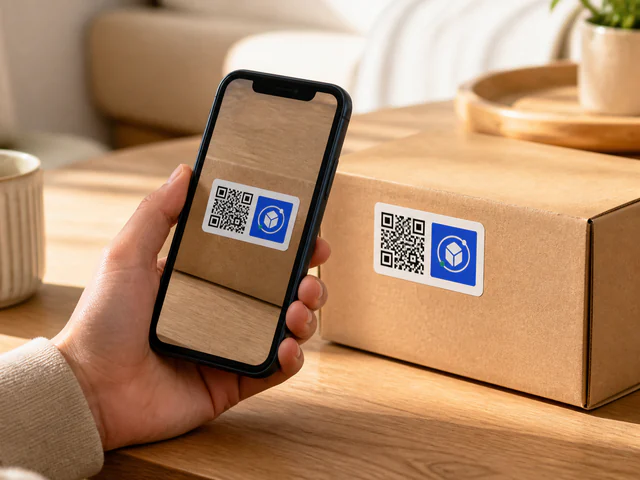
The fastest support form is the one that already knows the product, purchase, coverage, and previous service history.
Start every request with product context
A generic ticket begins with “my desk is broken.” A product-aware case begins with the exact model, masked serial, source order, purchase date, active coverage, prior claims, prior repair, and current issue. The agent can investigate immediately instead of asking the buyer to repeat information the seller already has.
Use four layers of support automation
- 1Guided intake
Ask for the symptom, description, and only the photo or video evidence that matters for that product.
- 2Safe troubleshooting
Offer a short, reversible product-specific check before creating unnecessary work.
- 3Policy evaluation
Run deterministic checks for dates, SKU, issue category, exclusions, evidence, and claim limits.
- 4Human resolution
Let an authorized agent choose repair, part, replacement, refund, credit, goodwill, rejection, or no action with a recorded reason.
Replace “ticket status” with a clear service journey
- Submitted: the request and evidence were received.
- Under review: identify what is being checked and whether more information is needed.
- Approved or action selected: state the actual remedy, not an internal queue name.
- Repair scheduled or replacement shipped: show appointment or tracking details.
- Resolved: summarize what happened and preserve it in the product service history.
Use AI as an assistant, never as the warranty authority
AI is useful for issue intake, summarization, photo or document extraction, troubleshooting suggestions, response drafts, and merchant-only fraud signals. It should degrade cleanly when unavailable and must not silently deny warranty rights, alter policy terms, issue money, or cross merchant boundaries.
FAQ
Frequently asked questions
Should every issue create a support case?
Not always. A safe, short troubleshooting step may resolve the issue first. If it does not, preserve the intake so the buyer does not start again.
Can AI reject suspicious claims?
No. It may surface signals for merchant review, but it should not make an autonomous denial or financial decision.